Modest Swimwear for Travel: What Actually Works
Modest swimwear that actually works for travel: burkini, swim dress or separates, which fabrics survive chlorine, and the rules abroad.
The single biggest mistake in modest swimwear is wearing cotton into water. A cotton maxi dress in a pool becomes heavy, see-through and genuinely dangerous, and a surprising number of hotels and water parks now refuse entry to anyone not in proper swim fabric.
That rule exists for a reason and it is not aimed at modesty. Cotton sheds fibres into filtration systems and holds water weight that makes swimming harder. Buy actual swimwear, in whatever cut covers you.
The three options, honestly compared
| Burkini | Swim dress | Separates | |
|---|---|---|---|
| Coverage | Full, including a hood | Torso and thighs, arms usually bare | Full, as you build it |
| In the water | Best. Designed for swimming | Skirt floats up. Fine for standing, awkward for lengths | Good, if the top is fitted enough |
| Drying | Fast | Fast | Fast |
| Changing rooms | Fiddly — it is one large piece | Easiest | Most pieces to manage |
| Looks out of place at | Almost nowhere now | Nowhere | Nowhere |
| Best for | Actually swimming | Pool lounging, children’s pools | Mixing with what you own |
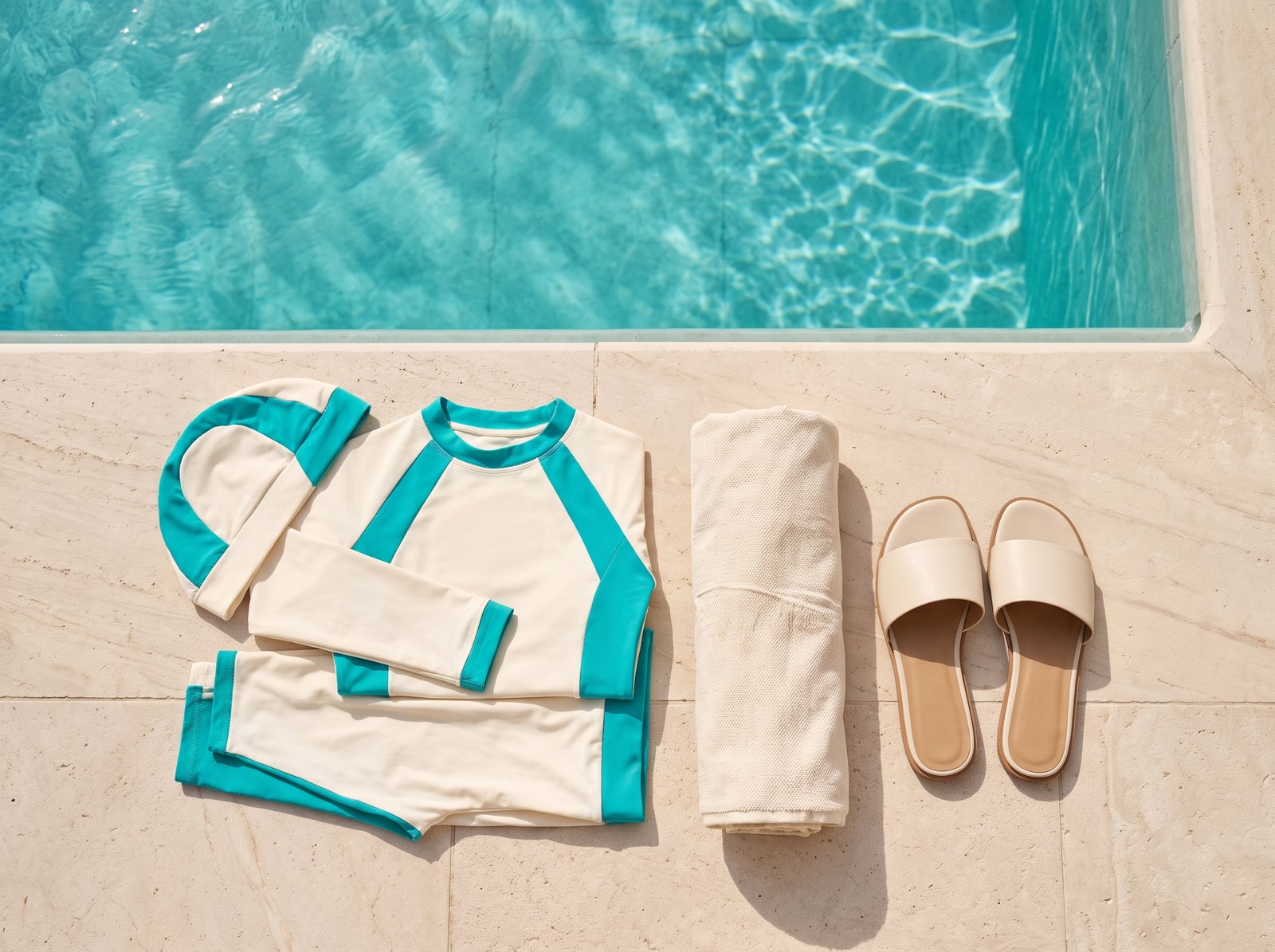
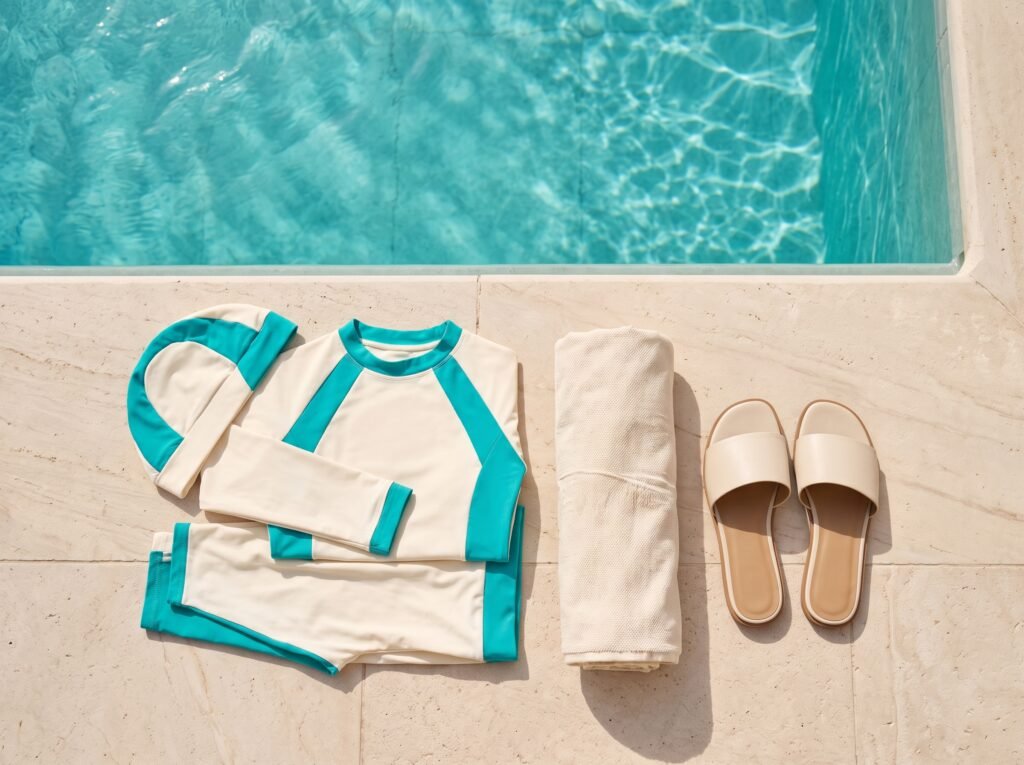
Burkini is the right answer if you intend to swim properly. The two-piece version — a tunic top over leggings, with a separate hood — is far easier to manage than the all-in-one, and it dries faster.
Swim dresses are the most comfortable option for a pool you will mostly sit beside. The skirt genuinely does float, which is fine in a shallow family pool and annoying in a lap pool.
Separates — swim leggings, a long-sleeved swim top, a tunic over the top — give the most control, and let you adjust coverage by destination. They are also the easiest to replace piece by piece as things wear out.
Where to stay if you want to swim without negotiating
The equipment question matters far less than the pool question. A women-only pool or a private villa pool removes the entire calculation, and both are easier to book than people assume.
What to search for, in order of how much difference it makes:
- Women-only pool hours, and specifically which days and times — “on request” often means no
- A private plunge pool with the room, which is common in Langkawi, Bali and parts of Turkey and costs less than the equivalent in Europe
- A screened or walled pool area rather than one overlooked by the restaurant terrace
Compare Tickets for the best price.
Fabric, which decides everything
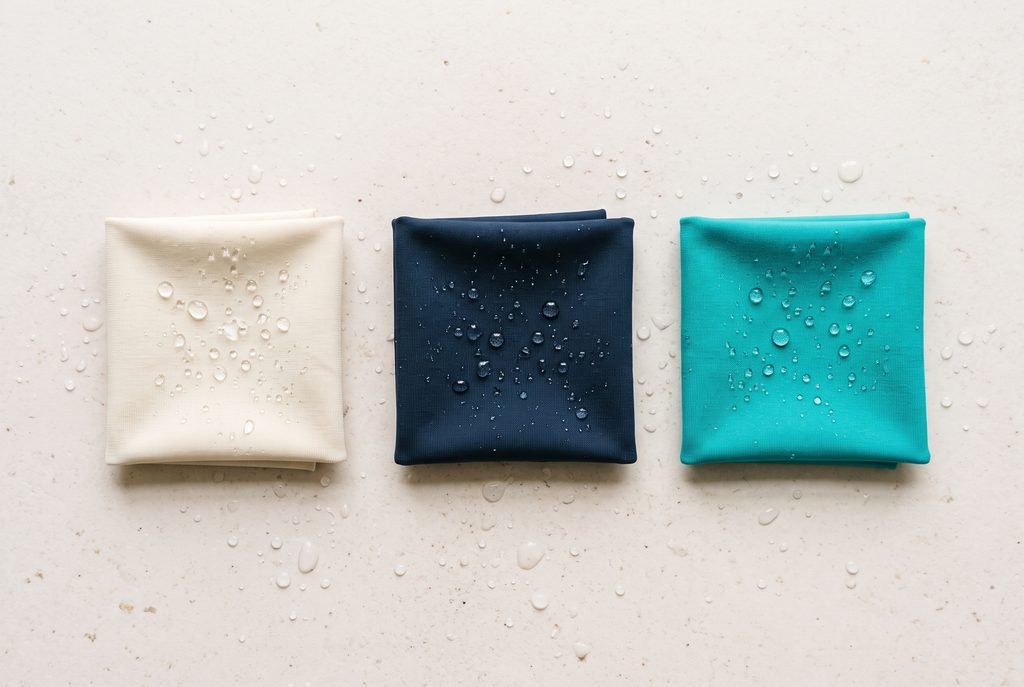
Look for polyamide or polyester with elastane, the same fabrics as ordinary swimwear. What you are checking for:
- Chlorine resistance. Standard elastane degrades in chlorinated water within a season. Chlorine-resistant blends cost slightly more and last several times longer.
- UPF rating. Full coverage is excellent sun protection, but only if the fabric is rated. UPF 50+ is widely available and worth insisting on.
- Opacity when wet. Test this at home in the shower before you fly, not at the pool. Light colours and thin fabrics are the usual offenders.
- Weight. A heavy burkini is exhausting to swim in. Lighter is almost always better.
Avoid: cotton, linen, anything described as “jersey”, and leggings sold for the gym. Gym leggings go transparent when wet and the waistband fails after a few swims.
The rules you will actually meet abroad
They vary more than you would expect, and almost never in the direction people fear.
Dubai and the UAE. Burkinis are entirely ordinary at hotel pools and beaches. Some water parks require swim fabric rather than cotton, which is the only restriction likely to affect you.
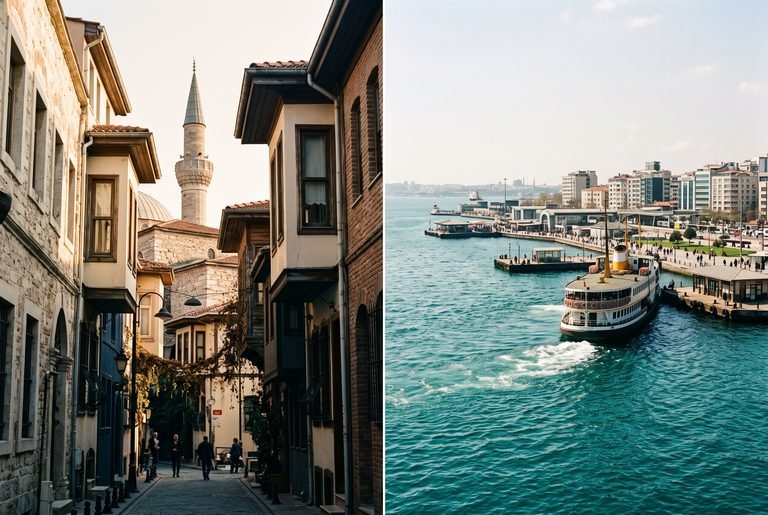
Turkey. Completely unremarkable at any hotel. Some resorts have women-only pools; the Aegean and Mediterranean coasts have whole hotels built around the idea.
Malaysia and Indonesia. Modest swimwear is the norm rather than the exception, and nobody will look twice.
Europe. This is the one to check. A number of French municipal pools have banned burkinis, and policies differ between a municipal pool, a hotel pool and a beach. Hotel pools and public beaches are generally fine; municipal swimming pools in France specifically are where problems arise. Check your hotel’s own policy, which is usually permissive, rather than assuming the national headline applies to you.
The Maldives. Resort islands are generally relaxed; local inhabited islands often ask all visitors to cover up on public beaches, with a designated “bikini beach” for tourists.
Packing notes
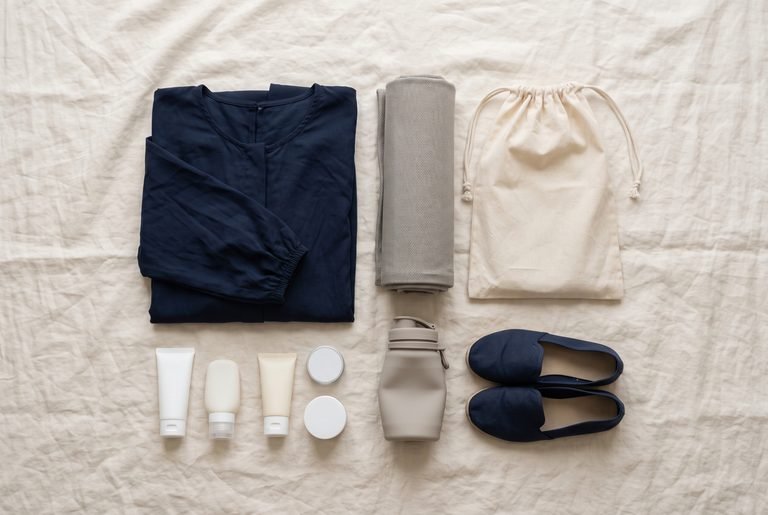
- Two swimsuits, always. Nothing dries overnight in humidity, and putting on a wet burkini is miserable.
- A dedicated wet bag. Full-coverage swimwear holds far more water than a bikini, and will soak a suitcase.
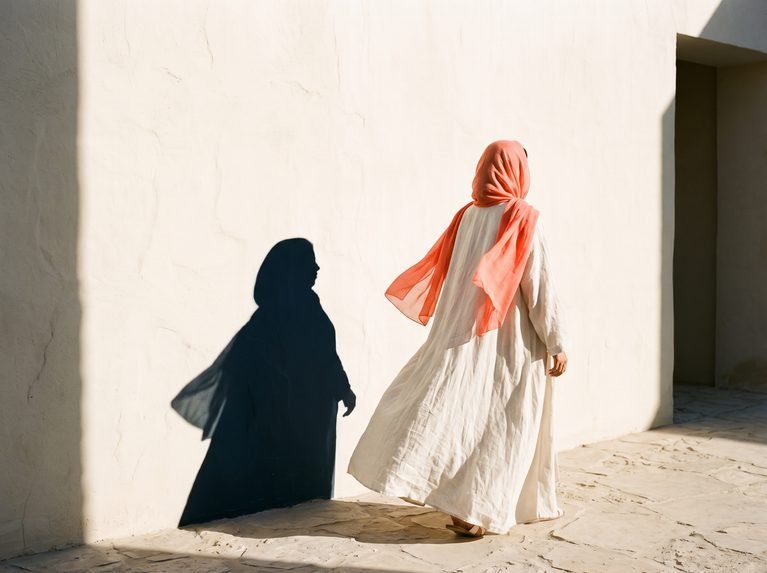
- A proper cover-up for walking to the pool. In Dubai in particular, walking through a lobby in swimwear is the single most common dress-code slip.
- Rinse in fresh water every single time. It is the difference between one season and four.
Common questions
Can I just swim in leggings and a long t-shirt? You can, but it works badly. Cotton drags, goes sheer, and is refused at an increasing number of pools and water parks.
Do burkinis make you hotter? In the water, no. Out of the water a wet burkini is actively cooling. The genuine discomfort is walking to the pool in one on a hot day, which a light cover-up solves.
How long should a burkini last? Two to four seasons with rinsing and chlorine-resistant fabric. One season without.
Are they allowed at water parks? Usually yes, provided it is swim fabric. Cotton is the thing that gets refused, not coverage.
What about sun protection? Full coverage in UPF 50+ fabric is better protection than sunscreen on bare skin, and does not wash off. Still use sunscreen on your face, hands and feet.
Pool and beach policies vary by individual property and change without notice — confirm with your hotel before travelling, particularly in Europe.