What to Wear in Dubai as a Woman: A Modest Packing Guide by Season
What to wear in Dubai as a woman, season by season. The real dress code for malls, mosques and beaches, plus a 10-piece modest packing list.
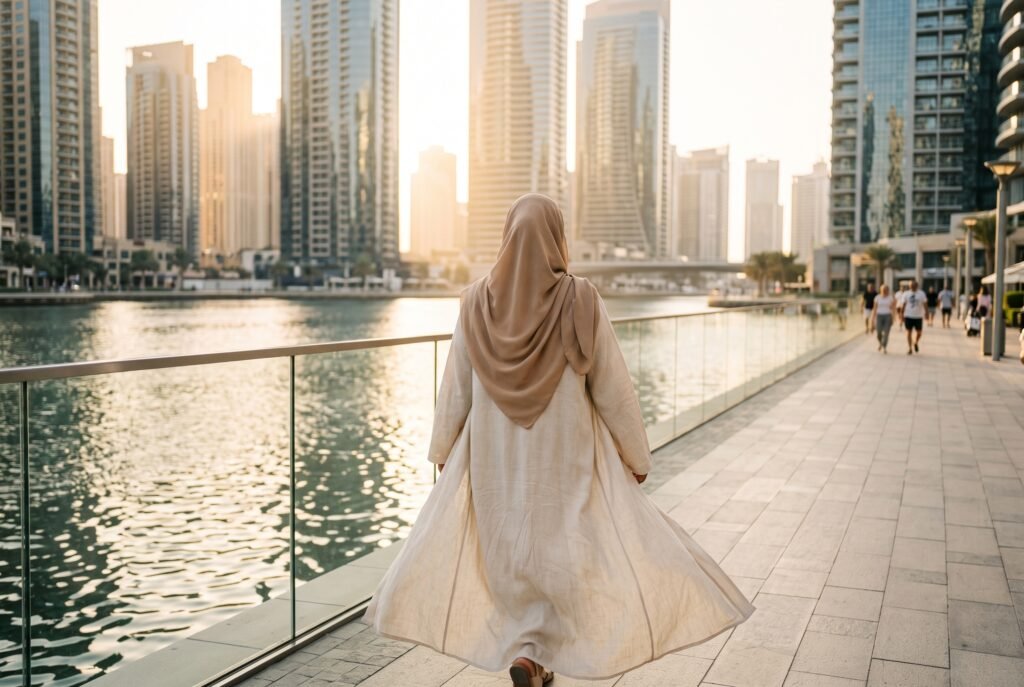
Here is the short answer, before anything else: in public in Dubai, cover your shoulders and your knees. That is the whole rule for malls, restaurants, souks and the street. Mosques ask for more — hair covered, arms to the wrist, legs to the ankle. Beaches and hotel pools ask for less, and ordinary swimwear is fine there.
Everything below is the detail that rule hides: where it tightens, what actually works in 41°C, and the ten pieces that cover a week without a second suitcase.
The dress code changes by the metre, not by the city
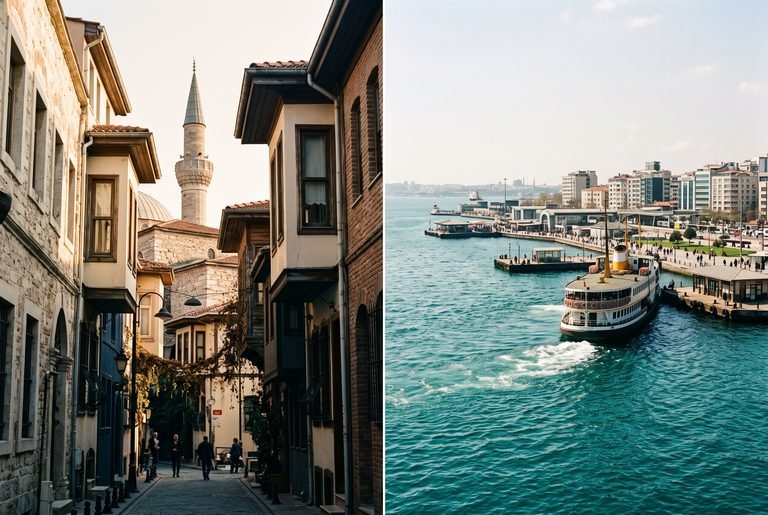
Dubai is not one dress code. It is five, and they can sit within a hundred metres of each other — a beach club, the mall next door, and a mosque across the road all expect something different.
| Where you are | What is expected |
|---|---|
| Malls and souks | Shoulders and knees covered. Swimwear is not acceptable, even over a bikini |
| Restaurants | Shoulders and knees covered. Upscale venues often expect long trousers in the evening |
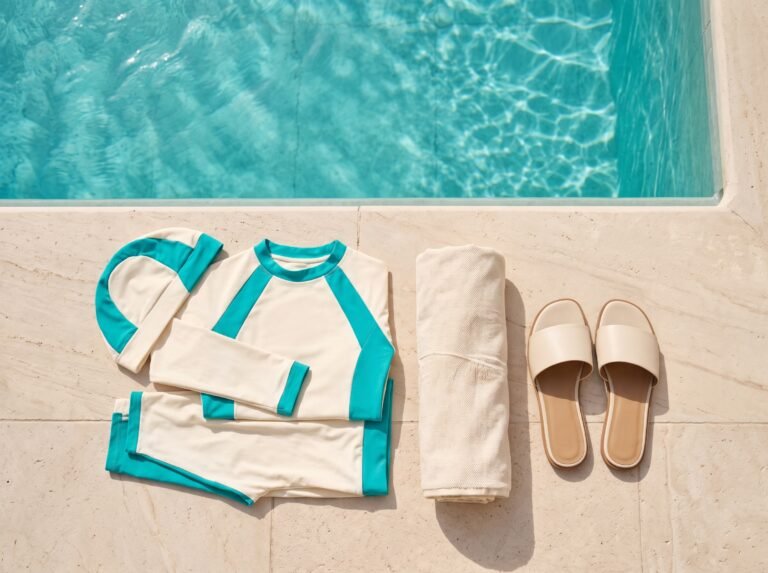
| Beaches and hotel pools | Swimwear is normal and fine. Topless sunbathing is not permitted anywhere, including public beaches |
| Walking between pool and lobby | Put a cover-up on. This is the single most common slip |
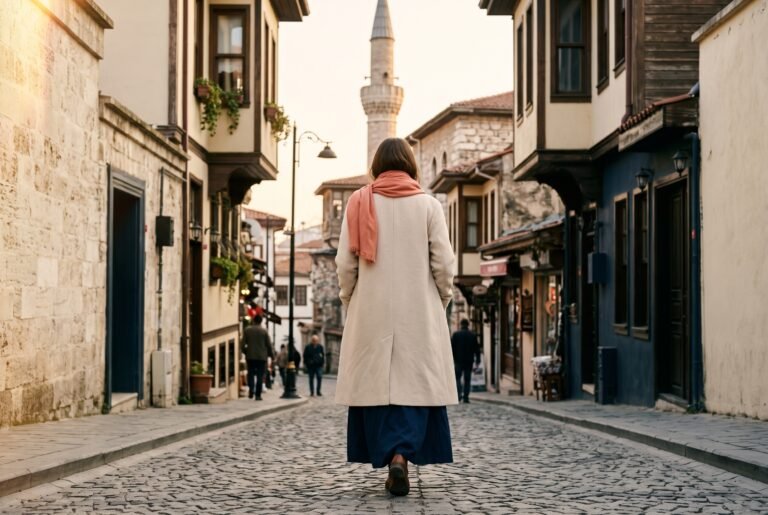
| Mosques | Hair covered, arms to the wrists, legs to the ankles, loose and non-sheer. Shoes off at the prayer hall. Mosques that welcome visitors usually lend an abaya and scarf at the door |
Nobody will arrest you for a bare shoulder. What actually happens at more conservative venues is a quiet reminder or a refused entry, which is a small thing that nonetheless ruins an afternoon. Dressing a notch more covered than you think you need costs nothing and removes the question entirely.
Where to stay if modesty matters to you
If you would rather not negotiate a mixed pool at all, this is worth solving at the booking stage rather than on arrival. The feature to search for is a women-only pool or women-only spa hours — a number of Dubai hotels offer them, and they are almost never advertised on the main booking page. The other thing worth checking is whether the hotel serves alcohol in the lobby and pool areas, because that shapes the atmosphere far more than the room does.
Three questions answer almost everything before you book:
- Does the pool or spa have women-only hours, and on which days?
- Is there a prayer room, and is the qibla marked in the rooms?
- Is halal food available beyond the buffet, and is the kitchen certified?
Season by season: what Dubai actually feels like
The mistake almost everyone makes is packing for a hot country rather than for a specific month. June in Dubai and January in Dubai are two different climates, and only one of them needs a cardigan.
| Period | Daytime | Night | What to pack |
|---|---|---|---|
| December to February | 24–26°C | 14–15°C | Light modest layers and a real jacket or jumper for the evening. Nights genuinely get cool |
| March to May | 28°C rising to 37°C | 17–24°C | Breathable cotton and linen, sun protection, a scarf for dusty days. Lighten everything as May approaches |
| June to September | 39–41°C | 26–29°C | Loose, light-coloured cotton or linen, long and loose rather than short. Wide-brimmed hat. A light indoor layer, because the air conditioning is fierce |
| October to November | 35°C falling to 31°C | 18–23°C | Summer clothing through October, easing by November |
Two things in that table surprise people. The first is the indoor layer in summer — malls and taxis are cooled to the point of being genuinely cold, and you will spend more of a July day indoors than out. The second is that December nights drop to 14°C, which is jumper weather by anyone’s standard.
The fabric mistake that ruins the first day
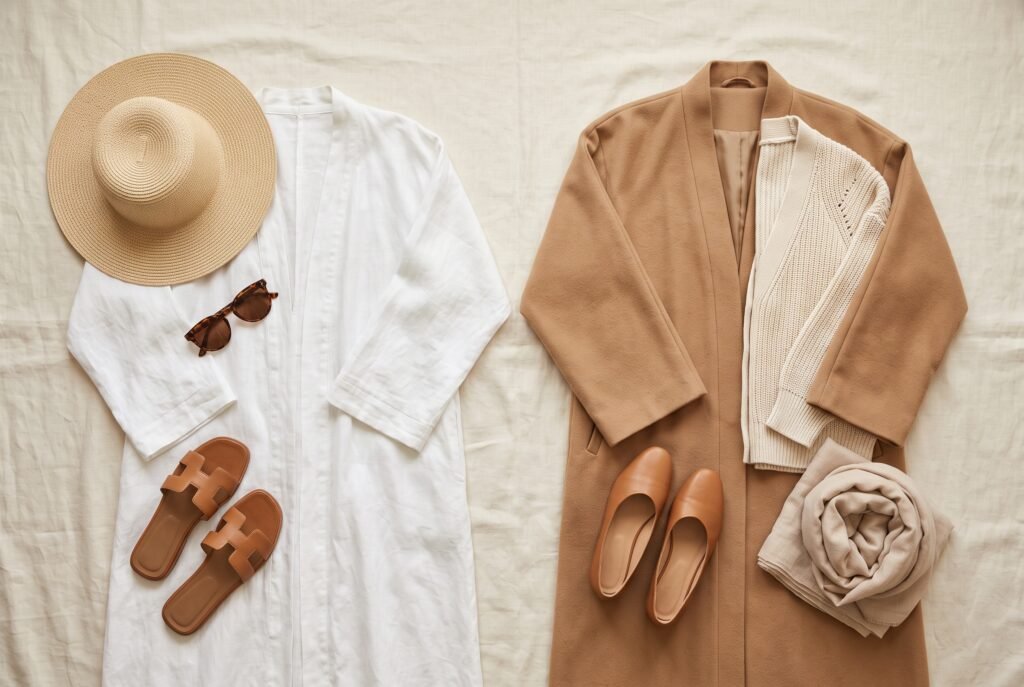
Here is the thing nobody warns you about: a black abaya in a Dubai July is a mistake. Black absorbs heat, and at 41°C the difference between a black abaya and a light-coloured one is the difference between a pleasant walk and a miserable one.
This cuts against instinct, because black reads as the safe, correct, modest choice. In the Gulf it is the formal choice, not the practical one. Local women wear black abayas largely in air-conditioned environments and for a short walk between them. If your day involves the Marina, the souks or the Creek on foot, cream, stone, dove grey and soft sand will serve you far better.
The same logic applies to fabric. Loose cotton and linen move air across the skin. Polyester blends and anything described as “crepe” trap it. A loose, long, light-coloured cotton abaya is cooler than a short-sleeved polyester dress, which is the part that genuinely surprises first-time visitors.
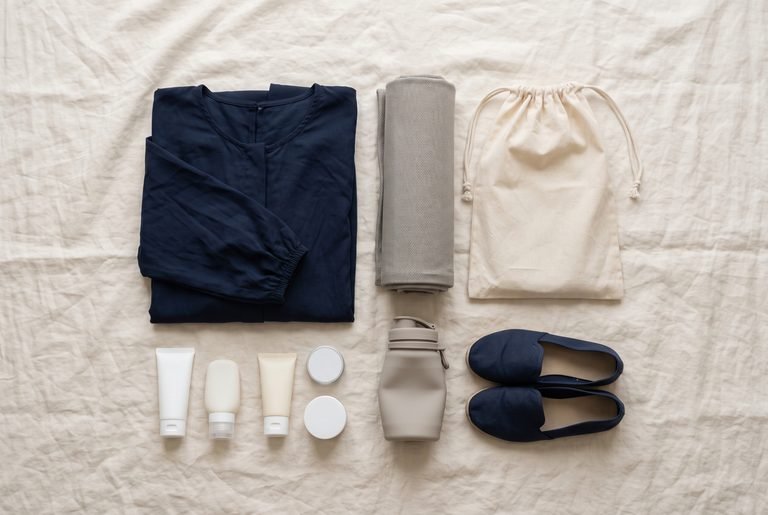
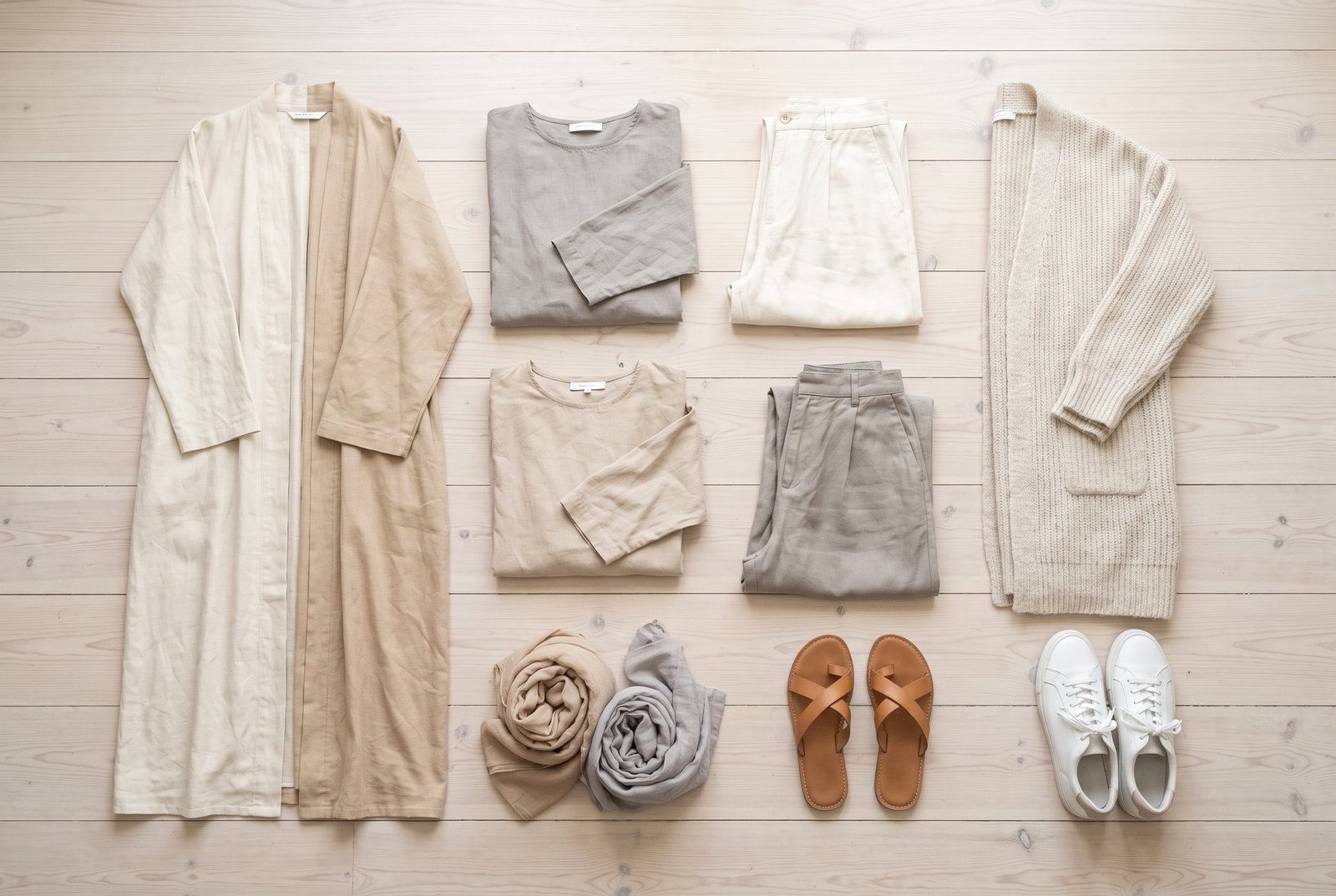
The 10-piece modest Dubai capsule
This covers seven to ten days in any season with adjustments, fits a carry-on, and every piece works with every other piece.
- Two lightweight abayas or maxi dresses in light colours, cotton or linen. These do most of the work.
- Two long, loose tunics that fall below the hip, for wearing with trousers.
- Two pairs of wide-leg trousers, one neutral and one darker for the evening.
- One long cardigan or open kimono — the indoor layer, and your mosque cover in a pinch.
- Three to four large cotton or jersey scarves. Large matters: a small scarf will not cover arms at a mosque door.
- One pair of flat sandals you can slip off without sitting down.
- One pair of closed, comfortable walking shoes. The souks are not a sandals activity.
- One modest swimsuit or burkini, plus a proper cover-up for walking to the pool.
- One evening piece — something you would be comfortable in at a nice restaurant, long-sleeved and ankle-length.
- A light jacket, which is non-negotiable from November through February.
What is deliberately not on this list: heels, anything tight, anything sheer, and a second handbag. Dubai is a walking city for far more of the day than the photographs suggest.
Common questions
Do I have to cover my hair in Dubai? No, not in public. Hair covering is expected inside mosques, where a scarf is usually provided at the door if you do not have one.
Can I wear jeans? Yes. Jeans are ordinary everyday wear in Dubai. Loose or straight cuts sit better with the general dress code than very tight ones.
What about during Ramadan? Dress a little more conservatively than usual, and avoid eating, drinking or smoking in public during daylight hours. Most hotels screen off a dining area for guests who are not fasting.
Is a burkini acceptable at hotel pools? Yes, and it is common. Some water parks ask that swimwear be made of swim fabric rather than cotton, which is worth checking if you plan to go.
Will I be stopped for wearing a dress above the knee? Unlikely, but you may be asked to cover up at a mall or a more conservative venue. A long scarf in your bag solves this in about four seconds.
Sources: dress code and climate details drawn from this month-by-month Dubai guide. Rules and venue policies change — check your hotel’s own guidance before you travel.